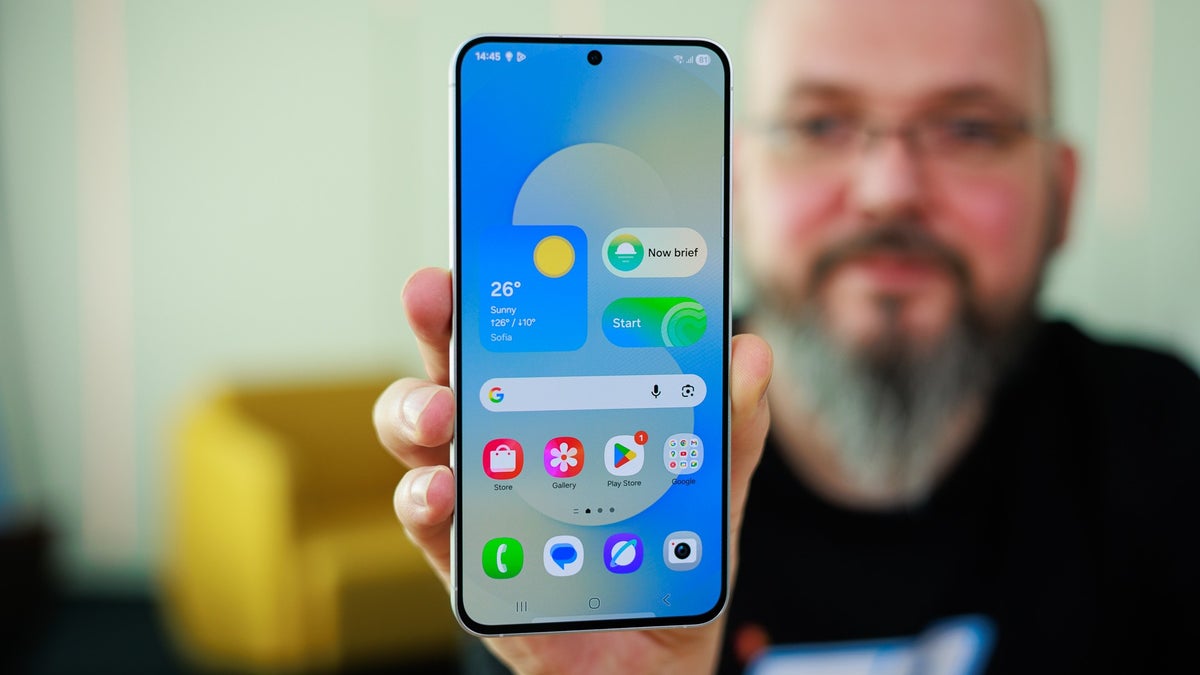
The Samsung Galaxy S25 FE comes with an Exynos 2400 chip. | Image credit — PhoneArena
An early listing of the Exynos 2700 has appeared on Geekbench less than a month before the Galaxy S26 release. Could this chip that could power the Galaxy S27 finally solve Samsung's flagship processor flaws? Geekbench shows an Exynos 2700 listing
First noticed by reliable X leaker Abhishek Yadav, the leaked Geekbench result reveals an unusual architecture. Instead of relying on a 1+3+6 architecture — the one used in the Exynos 2600 (model S5E9965 ERD) — the supposed successor (model S5E9975) will rely on a different 1+4+1+4 core cluster.Early Geekbench spottingLooks like Samsung Exynos 2700 has already appeared on Geekbench — likely an early listing Exynos 2700 (Deca-core CPU architecture):• Cluster 1: 1 core @ 2.30GHz• Cluster 2: 4 cores @ 2.40GHz• Cluster 3: 1 core @ 2.78GHz• Cluster 4: 4 cores… pic.twitter.com/KAWNv5AAP1
— Abhishek Yadav (@yabhishekhd) January 27, 2026
Previous leaks have suggested the Exynos 2700 could use a higher clock speed of 4.2 GHz. The latest Geekbench listing shows an entirely different picture.
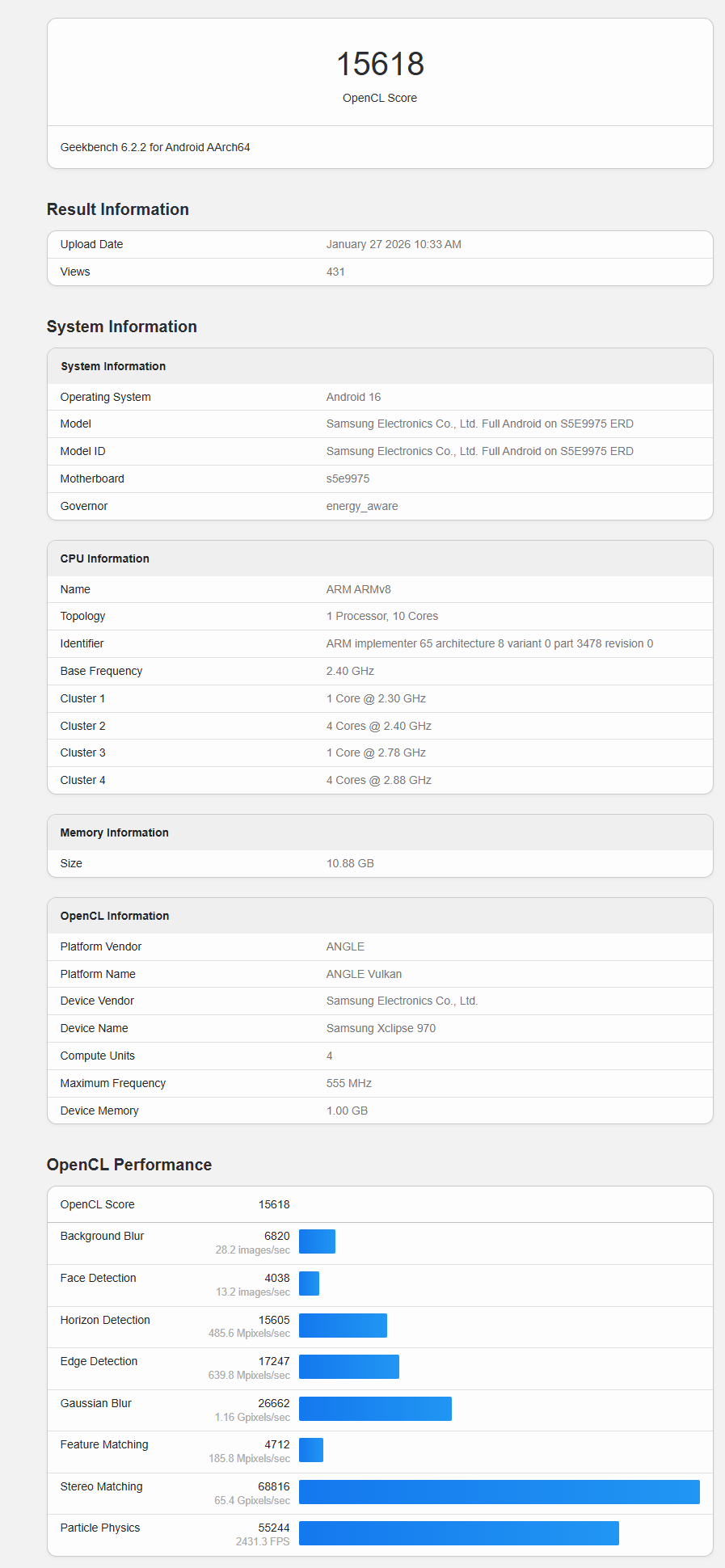
All cores have a rather modest clock speed: 2.30 GHz, 2.40 GHz, 2.78 GHz, and 2.88 GHz. No need for panic, of course — those clock speeds are highly unlikely to stay unchanged. They only indicate that Samsung is currently trying to get the new design to work before amping up speeds.
Why the quad-cluster design experiment?
First introduced with the MediaTek Helio X20, the first tri-cluster smartphone chip has been widely used for the better part of a decade. So, why did Samsung go for a quad-cluster design?In your opinion, will the Exynos 2700 be a success?
How does it compare to Qualcomm?
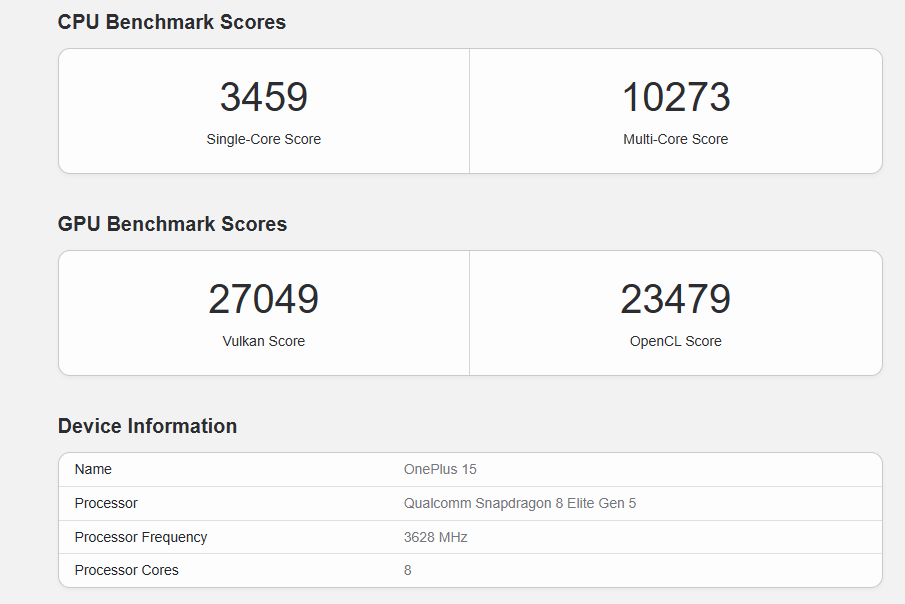
If Samsung is actively working on a 1+4+1+4 deca-core for the upcoming Exynos 2700, expected to debut in 2027, how will it compare to the latest Qualcomm processor? Let's explore Geekbench listings of the OnePlus 15, powered by the Snapdragon 8 Elite Gen 5.